
Intro to GHK-Cu Research: A Beginner’s Laboratory Guide
GHK-Cu (glycyl-L-histidyl-L-lysine copper complex) has emerged as one of the most studied copper peptides in dermatological and tissue research. For laboratory professionals beginning their investigation of this fascinating compound, understanding its mechanisms, applications, and proper handling is essential. This comprehensive beginner’s guide covers everything needed to conduct meaningful GHK-Cu research.
All products discussed in this article are strictly for research use only and not intended for human consumption.
GHK-Cu Products for Research
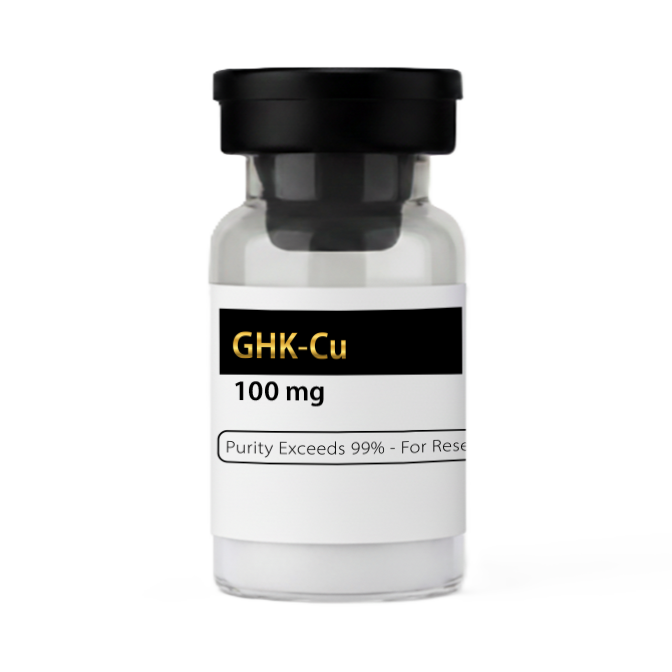
What is GHK-Cu?
GHK-Cu is a naturally occurring copper complex of the tripeptide glycyl-L-histidyl-L-lysine. First isolated from human plasma in 1973 by Dr. Loren Pickart, this peptide has been extensively studied for its role in tissue repair, skin regeneration, and gene expression regulation.
The compound consists of:
- GHK peptide: A simple tripeptide with high copper affinity
- Copper ion: Essential trace element for biological processes
- Complex structure: Stable coordination between peptide and copper
Mechanism of Action
Gene Expression Regulation
GHK-Cu has been shown to affect the expression of approximately 4,000 human genes, returning them to a healthier, more youthful pattern. This gene-modulating activity makes it valuable for studying cellular aging and regeneration processes.
Copper Delivery System
The peptide acts as a copper carrier, delivering this essential mineral to cells in a bioavailable form. Copper is required for:
- Lysyl oxidase activity (collagen and elastin cross-linking)
- Superoxide dismutase function (antioxidant defense)
- Cytochrome c oxidase activity (cellular energy production)
- Tyrosinase function (melanin synthesis)
Tissue Repair Signaling
GHK-Cu stimulates tissue repair through multiple pathways including upregulation of growth factors, modulation of metalloproteinases, and enhancement of collagen synthesis in laboratory models.
Research Applications
Dermatological Studies
GHK-Cu has been extensively studied for skin-related research applications:
- Collagen and elastin synthesis studies
- Dermal matrix remodeling research
- Fibroblast activity and proliferation
- Skin barrier function investigation
Tissue Repair Research
Laboratory studies have investigated GHK-Cu’s role in:
- Wound healing mechanisms
- Angiogenesis (blood vessel formation)
- Nerve regeneration
- Anti-inflammatory responses
Anti-Aging Research
GHK-Cu’s ability to modulate gene expression toward more youthful patterns has made it valuable for studying cellular aging processes and age-related tissue changes.
Laboratory Protocol for Beginners
Reconstitution
GHK-Cu requires proper reconstitution before laboratory use:
- Use sterile bacteriostatic water for reconstitution
- Typical concentrations: 1-10 mg/mL for research
- Gently swirl vial—avoid shaking or vigorous agitation
- Allow complete dissolution before use
Storage Guidelines
Proper storage maintains peptide integrity:
- Lyophilized powder: Store at -20°C (stable 2+ years)
- Reconstituted solution: 4°C, use within 14-30 days
- Protect from light exposure
- Avoid freeze-thaw cycles
Key Research Findings
Laboratory studies have demonstrated several significant findings regarding GHK-Cu:
- Increased collagen synthesis in fibroblast cultures (Pickart, 2008)
- Enhanced wound healing in animal models (Buffoni et al., 1995)
- Modulation of 4,000+ genes related to tissue repair (Pickart et al., 2015)
- Antioxidant and anti-inflammatory effects (Miller et al., 1990)
Research Considerations for Beginners
Purity Verification
Always verify GHK-Cu purity through third-party HPLC analysis. Research-grade peptides should be ≥98% pure with Certificates of Analysis available.
Dosage Considerations
Research models have used various concentrations. Typical research doses range from 0.5-2 mg per administration in cell culture and animal studies. Always consult current literature for specific protocols.
Regulatory Status
GHK-Cu is not approved for human use by the FDA or any international regulatory body. It is strictly for laboratory research and analytical study by qualified professionals.
Frequently Asked Questions
What makes GHK-Cu different from other copper peptides?
GHK-Cu has the highest copper affinity of known human copper-binding peptides and has been shown to affect gene expression more broadly than other copper complexes. Its natural occurrence in human plasma also distinguishes it from synthetic alternatives.
How does GHK-Cu compare to BPC-157 for tissue research?
While both peptides are studied for tissue repair, they work through different mechanisms. GHK-Cu primarily affects gene expression and copper delivery, while BPC-157 modulates growth factors and nitric oxide pathways. Many researchers study both for comparative analysis.
What is the shelf life of GHK-Cu?
When stored properly as lyophilized powder at -20°C, GHK-Cu maintains stability for 2+ years. Reconstituted solutions should be used within 14-30 days when stored at 4°C.
Getting Started with GHK-Cu Research
For researchers beginning their investigation of GHK-Cu, we recommend starting with comprehensive literature review, establishing clear research protocols, and sourcing high-quality, verified peptides from reputable suppliers.
Shop GHK-Cu for Research →References
- Pickart L. The human tri-peptide GHK and tissue repair. J Biomater Sci Polym Ed. 2008;19(8):969-88.
- Pickart L, Margolina A. Regenerative and Protective Actions of the GHK-Cu Peptide in the Light of the New Gene Data. Int J Mol Sci. 2018;19(7):1987.
- Buffoni F, Pino R, Cetta G. Effect of tripeptide-copper complexes on the process of healing skin wounds. Arch Int Pharmacodyn Ther. 1995;330(3):345-60.
- Miller DM, DeSilva D, Pickart L, Aust SD. Effects of glycyl-histidyl-lysine copper on neutrophil function. Agents Actions. 1990;29(1-2):106-11.